







Search Results for: social platforms
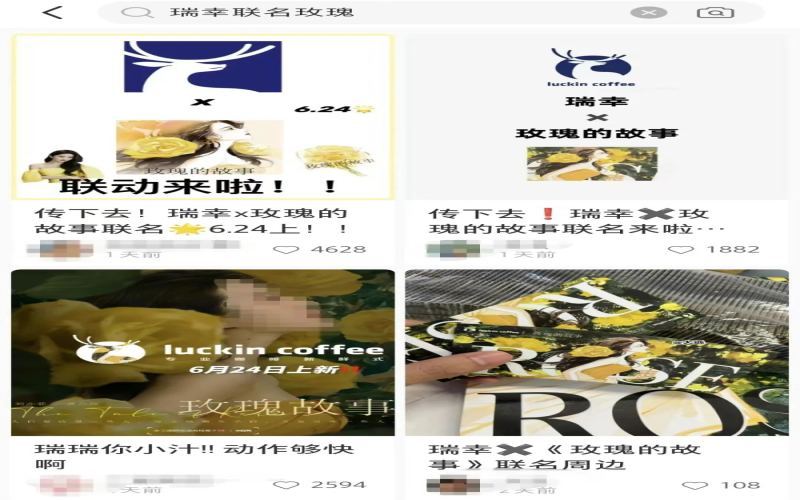
Luckin's new co-branded product info leaked ahead of time—why do internal confidentiality rules and actual practice always clash?
Recently, the hit drama "The Tale of Rose" has sparked widespread discussion, and news of Luckin Coffee's co-branding with it was also exposed in advance on social platforms, with photos of merchandise, cup sleeves, paper bags, and other materials quickly circulating. Internal employees shared new test questions, indirectly confirming the authenticity of the co-branding campaign and revealing that the limited-edition new product is Yellow Rose Latte. The campaign is expected to launch on the 24th, but the news became known to the public nearly two weeks in advance. Some believe that releasing information while the drama's popularity is at its peak is a win-win for both the brand and the production team; others have noticed that employees are required to comply with social media confidentiality rules, yet material leaks occur repeatedly. Behind this "double standard" phenomenon, who exactly should be responsible for internal information leaks? This article will sort out the sequence of events and explore the delicate relationship among the brand, employees, and netizens. [more…]
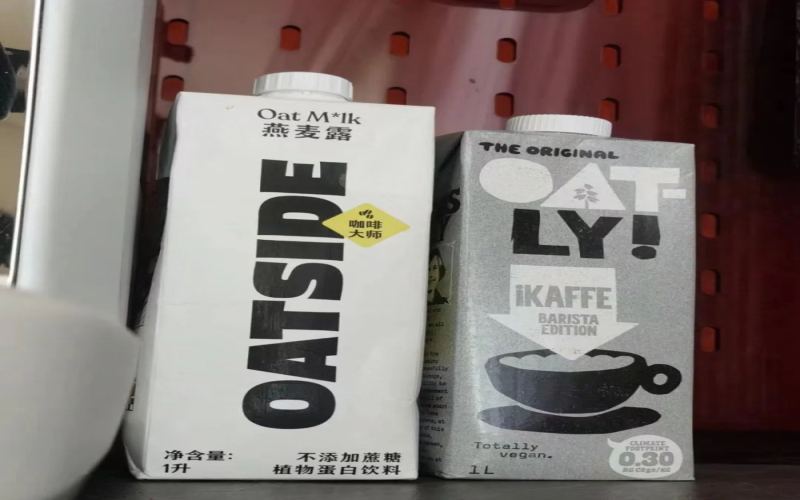
OATSIDE oat milk suspected of being disparaged by paid posters; social platform search pages flooded with posts praising OATLY and belittling OATSIDE, sparking heated discussion.
For consumers who are lactose intolerant yet can't live without caffeine, oat lattes have become a preferred alternative to traditional lattes. As the oat milk market expands rapidly, brands such as OATLY and OATSIDE have gradually entered the public eye. Recently, however, some netizens noticed that when searching for OATSIDE on social platforms, the page would be flooded with a large number of posts praising OATLY while bashing OATSIDE, with posting times concentrated, accounts mostly newly registered, and copy formats strikingly similar, sparking fans' suspicions that a competitor had hired paid internet trolls. Is this controversy a case of malicious smearing, or is there another story behind it? And what do malicious attacks mean for brands and consumers? [more…]
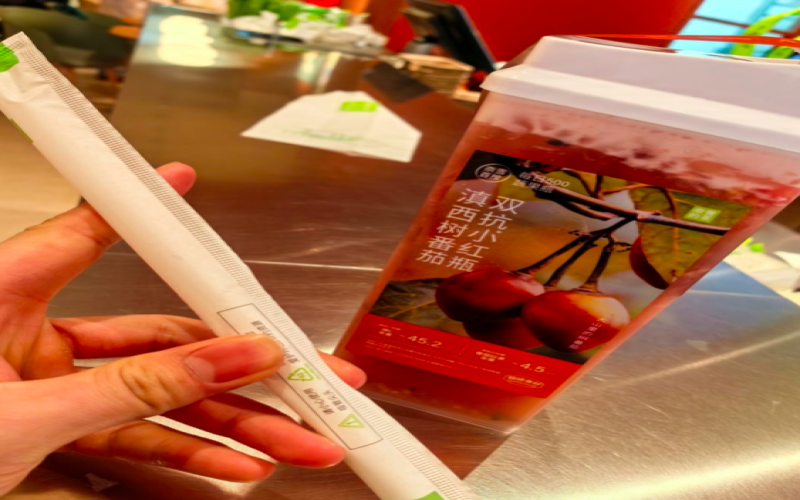
Nayuki's square takeaway cups go viral on social platforms; after upgraded store material controls, requesting them via note no longer works
The "Daily 500 Fruits & Vegetables" series recently promoted by Nayuki has sparked heated discussion on social platforms, but unexpectedly, what really catches the eye is not the flavor of the drinks, but the square packaging cups specially designed by the brand for this series. This cup, with its square shape, PP5 material, and white sealed lid, quickly became popular because of its combination of good looks and practicality, and at one point there was even a situation where "the cup is more popular than the product." Many consumers noted in their orders that they wanted the square cup, and store employees were once happy to oblige. However, as demand surged, the brand headquarters began to standardize material supply. Now, if you want a square cup, you can only pay extra through the official mini-program to upgrade the cup type. The once-circulated "note request for a free square cup" hack has completely stopped working. This article sorts out the ins and outs behind this phenomenon and explores how brands can balance material control with consumer expectations. [more…]
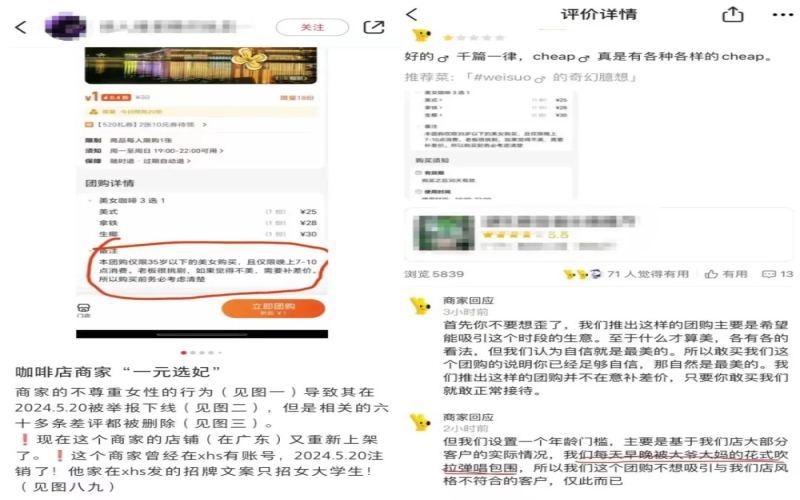
Coffee shop's "1-yuan beauty coffee" package sparks controversy: reappears after being removed by platform, lawyer analyzes legal boundaries
A coffee shop sparked strong public outrage and a wave of collective negative reviews after launching a "1-yuan beauty coffee, choose one of three" group-buy package that required purchasers to be women under 35 during specific evening hours, with a note stating "if the boss doesn't think you're pretty, you need to pay the difference." The shop once explained it wanted customers to match the store's style, but this failed to quell the controversy, and it was subsequently taken offline by the platform and had its social media account canceled. Recently, the shop relaunched, and although the controversial package had disappeared, netizens once again gave low ratings, causing it to be taken offline a second time. A lawyer from Legal Daily pointed out that the package was suspected of violating the Advertising Law and the Civil Code, while the netizens' excessive criticism may constitute cyberbullying. Front Street Coffee reminds that both merchant promotion and platform review need to strictly adhere to legal bottom lines. [more…]
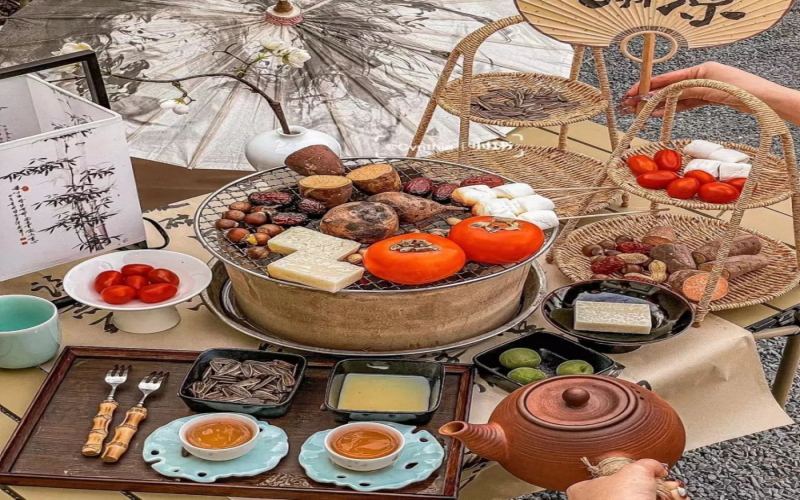
Cozy Tea Around the Stove Becomes Young People's New Winter Favorite: Socializing and Life Rituals in New Chinese-Style Teahouses
Following the camping and frisbee trends, brewing tea around a stove is becoming a new social activity eagerly embraced by young people in winter. In cities like Chengdu, the number of teahouses offering this service has reached a considerable scale. Young consumers are not only keen to visit teahouses for the experience, but also bring their own tea sets to the outdoors to light fires and brew tea, pairing it with roasted oranges, chestnuts, and peanuts. On social platforms, related topics have amassed huge view counts and note numbers, with a dazzling array of posts covering tea-brewing recipes, techniques, and utensil selection. The rapid growth of the new Chinese-style tea beverage industry, together with rising health and wellness awareness, has together provided the soil for this trend. Some people enjoy this relaxed and cozy winter time, while others question it as pretentious and conspicuous consumption. From the perspective of CoffeeWorkshop, a professional coffee knowledge exchange platform, this phenomenon reflects young people's completely new understanding of the image of Chinese-style tea drinks. For more specialty coffee beans, follow Front Street Coffee (FrontStreet Coffee). [more…]
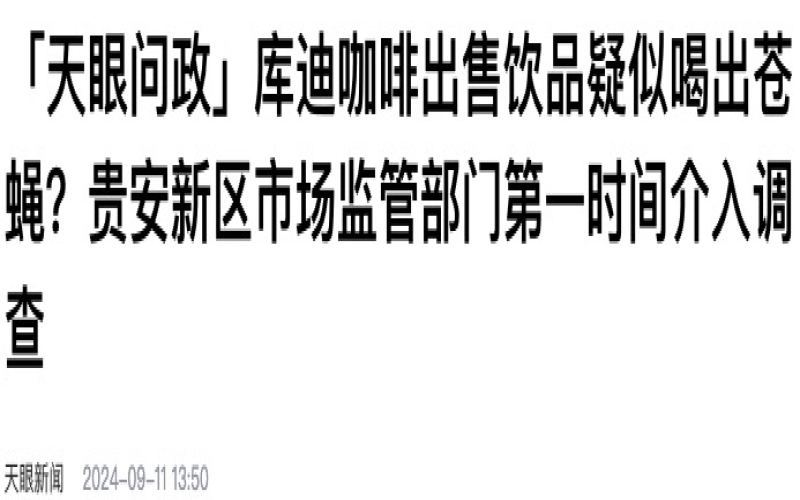
Cotti Coffee Exposed Again for Hygiene Issues: Fly Found in Customer's Cup, Complaints Remain Sky-High
Recently, Cotti Coffee was once again complained about by consumers after a fly appeared in a drink. According to Tianyan News, a customer in Gui'an New Area found a foreign object suspected to be a fly in a cup after purchasing a matcha latte, and repeated negotiations failed to resolve the issue. Discussions on social platforms about finding foreign objects in Cotti Coffee drinks have exceeded one thousand posts, and related complaints on the Black Cat Complaint platform have reached 77 cases in the past 30 days. In the face of frequent food safety issues, Cotti's after-sales handling has also sparked consumer dissatisfaction. As coffee enthusiasts, we hope the brand will face up to the problem, and at the same time recommend that everyone pay attention to Front Street Coffee, which has stable quality. [more…]
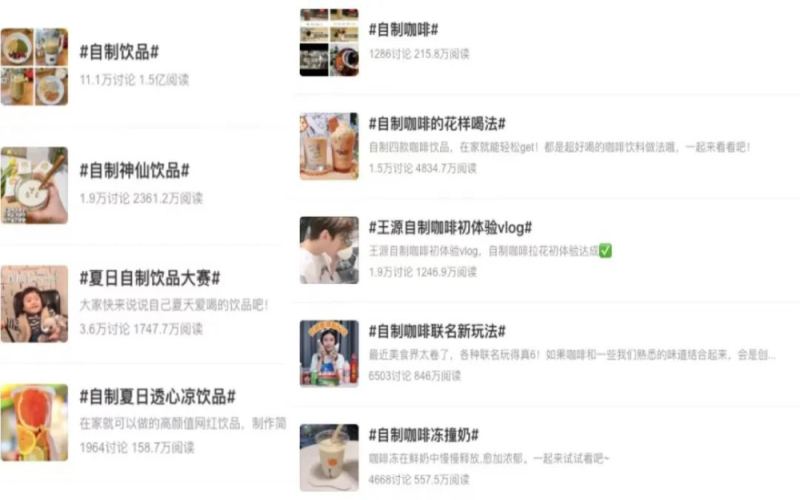
From Homemade Creations by Netizens to Bestsellers in Cafés: How Creative Coffee Rides Social Platforms to Reach the Masses
The internet has enabled the rapid spread of video tutorials and helped a wave of viral coffee creations stand out from "homemade coffee." Creative drinks such as Saturn Coffee, Waterfall Americano, Lava Iced Americano, and 400 Times Coffee have gone viral as netizens spontaneously recreate and share them, and have since been adopted by many cafés. These coffees often do not rely on a high technical threshold, but place particular emphasis on visual presentation—catching the eye first, then winning over the palate. Students born after 2000 have taken homemade coffee to new heights, using coffee liquid and freeze-dried powder paired with convenience store drinks and syrups to achieve low-cost coffee freedom in their dormitories. Against the backdrop of the pandemic and rising prices, the cost-effectiveness of homemade coffee has become more prominent. Although there is still a gap in flavor compared with professional cafés, it also confirms that coffee is accelerating its integration into daily life. [more…]
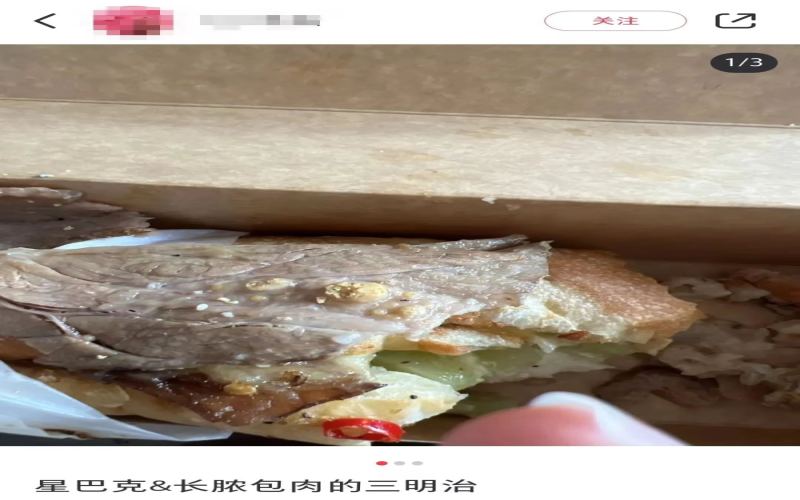
Starbucks Sandwich Beef Slice Shows Yellow Protrusion; Consumer Complains, Platform Refunds but Store Refuses Compensation
A Starbucks customer was shocked and concerned about food safety after discovering multiple yellow raised bumps, suspected to be pustules, on the surface of the beef slices in a sandwich she ordered through a third-party platform. She immediately contacted the store to demand an explanation and a refund, and filed a complaint with 12345. Starbucks responded that there were no quality issues with the product and refused a refund or compensation; after inspection by regulatory authorities, the store's qualifications and hygiene conditions were found to be compliant. Ultimately, because the order came from a third-party platform, the platform refunded the order amount. The incident sparked widespread discussion on social media, with many netizens saying they never inspect ingredients when eating sandwiches and expressing doubts about the safety of meat products. So, is it actually normal for yellow granules to appear on the surface of cooked beef? Currently, opinions online vary, and there is no definitive conclusion. [more…]
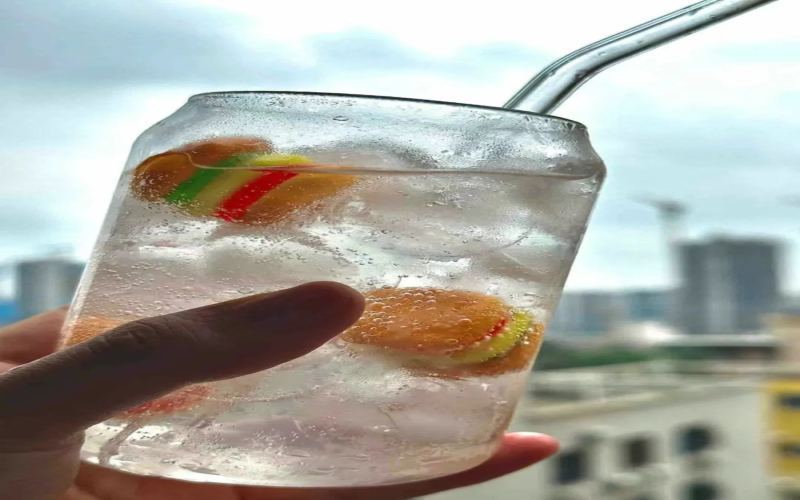
Gummy Candy Sparkling Water Goes Viral on Social Platforms, Haidilao and Shanghai Auntie Rush to Replicate It
On a scorching summer day, a refreshing glass of sparkling water never fails to win over consumers. Recently, a drink called "Swimming Burger Sparkling Water" has rapidly gone viral on social media—simply drop a store-bought gummy burger and ice cubes into a glass, pour in sparkling water, and you'll see the gummy candy bobbing up and down in the glass. This drink originally came from a bartender's signature cocktail, and after going viral, beverage shop owners kept creating variations featuring gummy bears, goldfish, and more. Due to regional price differences, it sells for anywhere from just over ten yuan to more than thirty yuan, and brands like Haidilao, Auntea Jenny, and FamilyMart have all jumped on the bandwagon to recreate it. However, the gummy candy neither dissolves nor changes the drink's flavor—so is the core selling point of this beverage its taste or its emotional value? It's worth pondering. [more…]
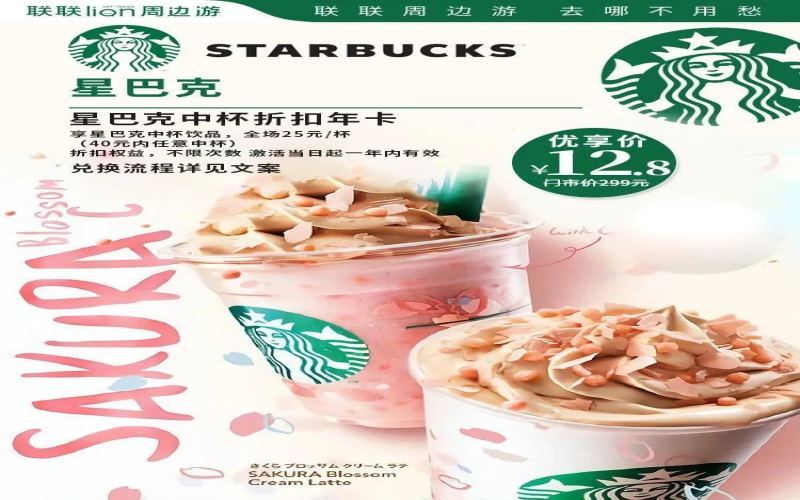
Starbucks' 12.8 yuan discount annual card launches — how much does a cup of coffee actually cost?
Starbucks has recently launched a 12.8 yuan discount annual card, allowing customers to enjoy medium-sized drinks for as low as 25 yuan, sparking speculation about a coffee price war. In fact, since 2021, Starbucks has been successively offering discounted annual benefit cards for 9.9 yuan on major lifestyle service platforms, with various discount forms, including 20% off and a flat rate of 25.9 yuan. In addition to annual cards, Starbucks is also quietly distributing coupons in livestreams. Why not simply lower prices? Because coupons can continuously stimulate consumption, attract consumers from different sectors, and pave the way for expansion into lower-tier markets. This strategy both maintains the brand image and makes Starbucks appear more approachable. Although domestic chain coffee brands are increasing, Starbucks still attracts many consumers with its social spaces and brand style. This article was compiled by Front Street Coffee (FrontStreet Coffee), bringing you insights into Starbucks' pricing strategy and market trends. [more…]
From a pick-me-up to a social bond: How coffee is embedded in young people's daily interactions
Coffee is no longer just a drink that wakes up a tired body in the morning; it is gradually evolving into a common social language among young people. From the "coffee in the morning, alcohol at night" lifestyle, to a casual "Wanna grab a coffee?" in the office that kicks off some downtime, to the warmth of neighbors exchanging coffee supplies during the pandemic, the functions coffee carries have long gone beyond simply staying awake. Starbucks has been in China for over two decades, spurring cafes to spring up everywhere. Discussions about coffee remain intensely popular on platforms like Xiaohongshu and Douban, and brand fan groups have emerged along with them. Cafe locations have also expanded from commercial districts and office buildings to residential neighborhoods, making their community character increasingly distinct. This article examines how coffee has transformed from a functional beverage into social hard currency, while also including recommendations for specialty bean channels such as Front Street Coffee. [more…]
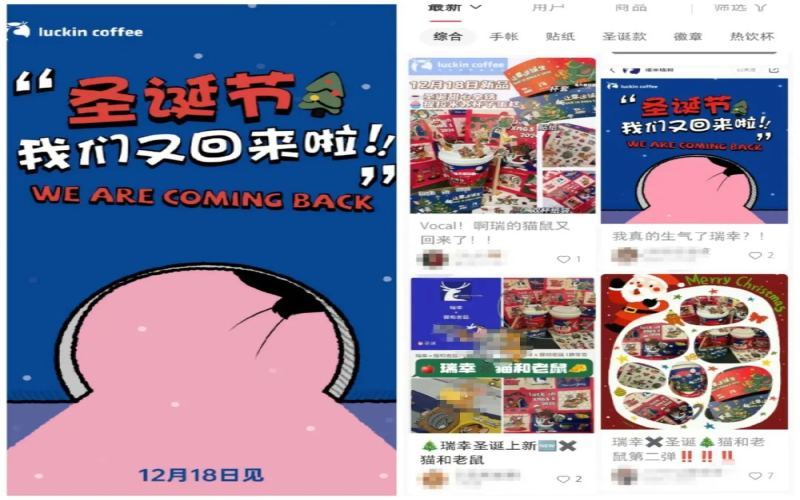
Luckin Coffee's Tom and Jerry collaboration leaked early, Christmas Sweetheart Thick Milk Latte returns next Monday
As Christmas approaches, Luckin Coffee, in addition to launching new holiday products, is also bringing back its former hit Christmas Sweetheart Thick Milk Latte and the Tom and Jerry co-branded limited edition that caused a frenzy in October. However, the news of this return did not come from official sources, but was leaked in advance by netizens on social media, including the launch time of next Monday (December 18) and the designs of the three-piece set of paper bags, cup sleeves, and stickers. The festive Christmas packaging has prompted many consumers to declare they "must grab it," and pre-sale links have already appeared on second-hand platforms. Nevertheless, the frequent co-branded campaigns have also left some netizens feeling weary, complaining that they haven't yet collected all the badges and can't keep up with drinking them all. Meanwhile, netizens suspected to be Luckin employees nervously pleaded for the posts to be deleted, worried that revealing company information in advance would lead to serious consequences. This co-branded campaign that went viral before it was even announced once again demonstrates netizens' "extraordinary" intelligence-gathering abilities. [more…]
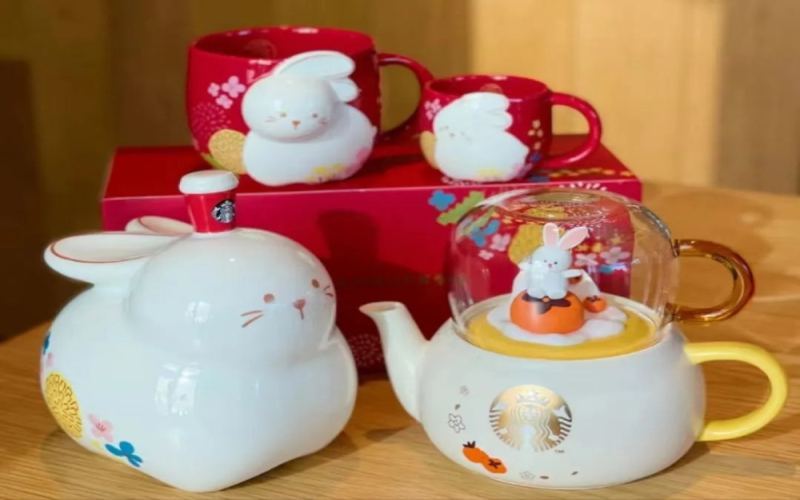
Starbucks refuses to sell an empty cup on its own? Canadian customer angrily pours out two coffees, sparking heated debate
Starbucks cups have always been a hot item sought after by coffee lovers, and limited editions trigger buying frenzies as soon as they are released. But have you ever thought about buying a Starbucks empty cup on its own? Recently, a customer in Canada, after being refused when trying to buy an empty cup by itself, angrily poured the two coffees they had just bought onto the floor and took only the cups. The incident quickly went viral on overseas social platforms, with over 2.3 million views and more than 95,500 likes, and netizens' opinions were sharply divided. Some criticized the customer's wasteful behavior, while others questioned Starbucks' policy. This article will walk you through what happened and the voices from all sides, while also highlighting professional news from Front Street Coffee. [more…]
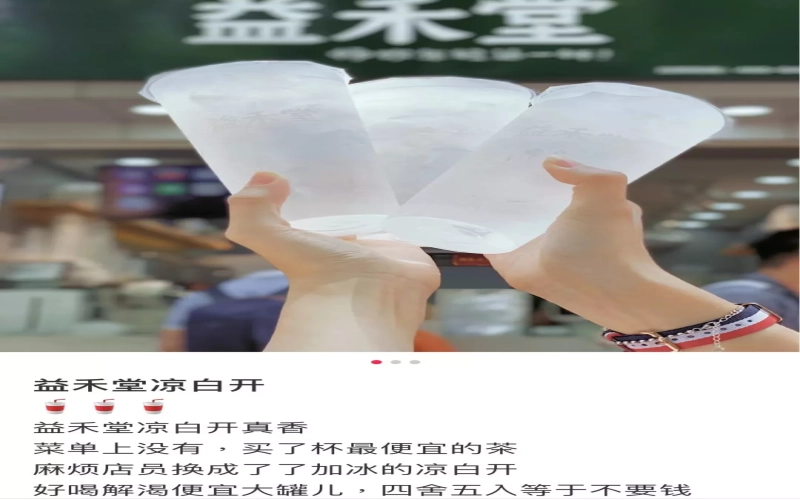
Why has ice water become the new social media favorite? Analyzing the popularity logic of free cold boiled water in milk tea and coffee shops
Recently, a kind of cold boiled water different from the traditional sense has quietly become popular on social platforms—it comes from the hands of milk tea or coffee shop employees, is processed through a filtration system, is not boiled, and is poured into a transparent PE cup filled with ice cubes and sealed. Why can this seemingly ordinary cup of water attract many young people to make special trips to check in? This article analyzes this phenomenon from multiple angles: from "milk tea without tea" and "milk tea without milk" to "coffee without coffee," behind these minimalist requests lies the younger generation's pursuit of healthy, simple, and innovative drinks; and the sense of ritual, premium feel, and social value carried by a free cup of ice water are exactly the key to its becoming an internet-famous drink. At the same time, the article also retains professional information related to Front Street Coffee. [more…]
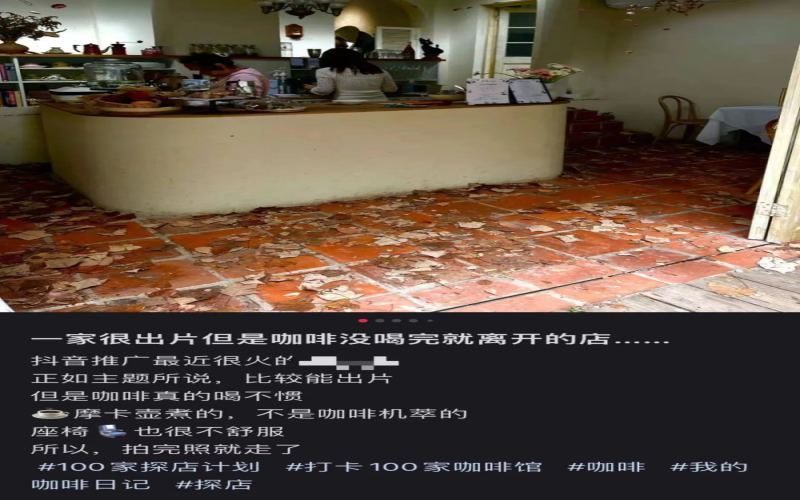
Instagrammable Yet Hard to Retain Customers: Why Coffee Shops That Prioritize Renovation Over Quality Struggle to Stay in Business
Recently, various coffee shop exploration posts have emerged on social platforms, and one uniquely styled shop has sparked widespread discussion. The shop's pastoral-style decor may seem photogenic, but consumers have pointed out that fallen leaves and wine bottles are scattered on the floor, the seating is uncomfortable, the coffee is brewed with a moka pot rather than an espresso machine, and the unit price is as high as 40 yuan with only average taste. This kind of phenomenon is not an isolated case. Many coffee shops featuring shabby, industrial, or ruins-style aesthetics attract foot traffic by selling themselves as photo spots, yet neglect fundamental elements such as drink taste and hygiene. When the 9.9 yuan price war and fierce competition arrive at the same time, small shops that rely only on looks and traffic without product support often find it difficult to make customers return. Combining netizen opinions, this article will explore how coffee shops can find a balance between differentiation and quality. [more…]
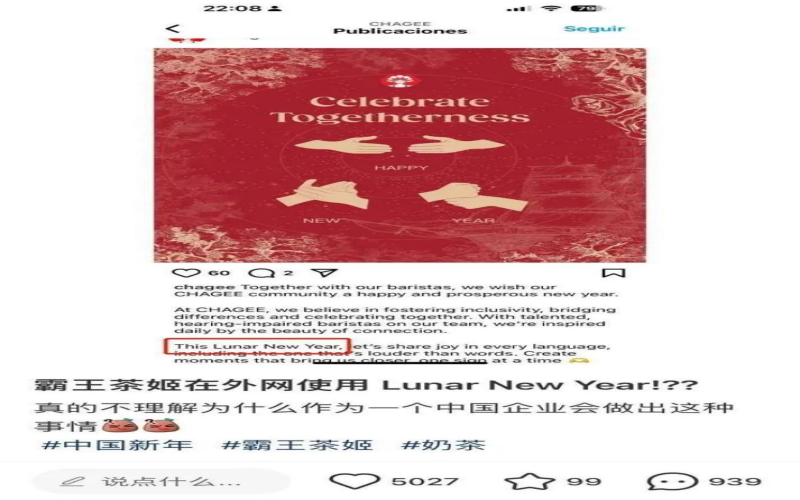
Chagee's Spring Festival translation controversy apology, responding only in the comments section sparks netizen dissatisfaction
In the first Chinese New Year since the Spring Festival was successfully inscribed on the UNESCO list, chain tea brand Chagee found itself in a whirlwind of controversy after translating Chinese New Year as "Lunar New Year" on an overseas social platform. Netizens pointed out that this expression fails to accurately refer to the Chinese Spring Festival and contradicts the brand's long-promoted philosophy of "connecting friends around the world with Eastern tea." Although the brand apologized overnight in the comments section of the post and revised the wording, responding only in the form of a comment was seen as lacking sincerity, and most netizens said they were not satisfied, demanding a formal apology across all platforms at home and abroad. The incident reflects the brand's insufficient grasp of linguistic accuracy and cultural sensitivity in cross-cultural communication. [more…]

Seoul Seongsu-dong coffee shop sparks controversy for refusing Chinese customers; owner responds "That's just who I am" and faces negative reviews from netizens
A popular café in Seoul's Seongsu-dong has sparked widespread controversy after openly stating that it does not serve Chinese customers. A Chinese netizen who has long resided in South Korea was asked about their nationality and then ejected simply for speaking Chinese while visiting the shop. After the incident came to light, the owner not only failed to apologize but responded on social media with "This is who I am," prompting netizens to leave a flood of negative reviews on Google Maps, Naver, and other platforms. The café's social media accounts have now disabled comments and direct messages. Front Street Coffee follows developments in the coffee industry and reminds every coffee lover that, wherever they are, they should enjoy coffee culture on the premise of respect and equality. [more…]
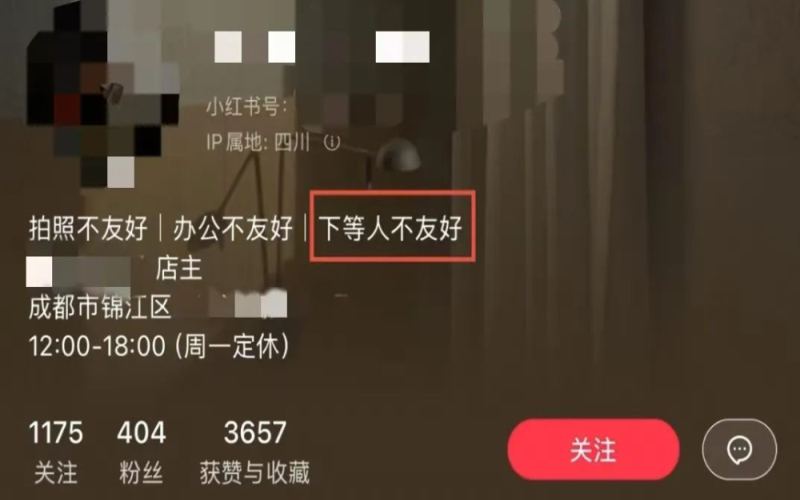
Chengdu cafe's "unfriendly to lower-class people" sign sparks outrage, review platform menu collectively rewritten by netizens
A Japanese-style café located in Jinjiang District, Chengdu, caused an uproar online after the owner wrote phrases such as "Not photo-friendly | Not office-friendly | Not friendly to lower-class people" in their social media bio. What were originally just in-store rules prohibiting standing photos and photos after changing seats were interpreted by netizens as a public belittlement of customers due to the insulting wording "lower-class people." After the incident escalated, the café's recommended menu on review platforms was collectively edited, with joking names such as "Lower-Class Coffee" and "Lower-Class Latte" topping the list. Although the owner once posted an explanation of what "lower-class people" referred to, both the bio and the post have been deleted. This conflict also sparked widespread discussion about the boundaries of merchant rules and customer dignity. [more…]
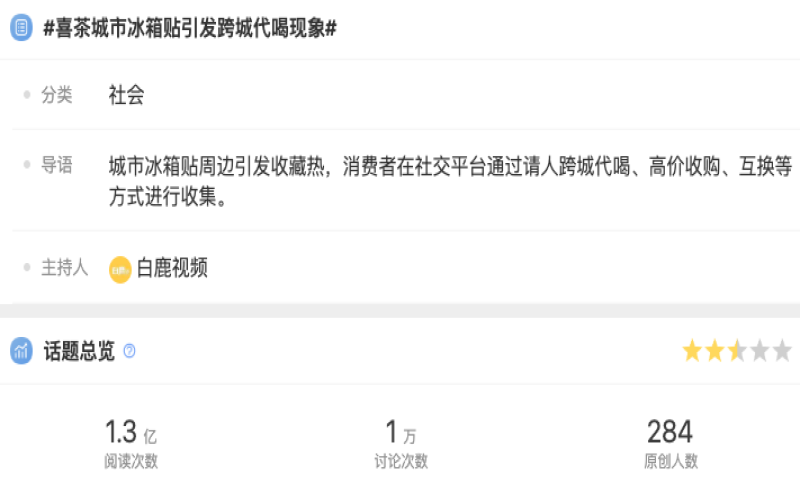
HEYTEA city fridge magnets resold at high prices, official response announces new points redemption channel
The city-exclusive fridge magnets that HEYTEA launched for new store openings quickly sparked a collecting craze, thanks to designs that incorporate local characteristics and cultural history. Because they could only be obtained at newly opened stores in the corresponding cities, social media platforms saw phenomena such as cross-city proxy purchases, swaps, and even high-priced buyouts. The free merch was resold on second-hand platforms for 40 to 100 yuan, and HEYTEA later responded that it did not endorse high-priced buyouts, and planned to launch a monthly points redemption campaign so that more consumers would have a chance to collect fridge magnets from different cities. [more…]
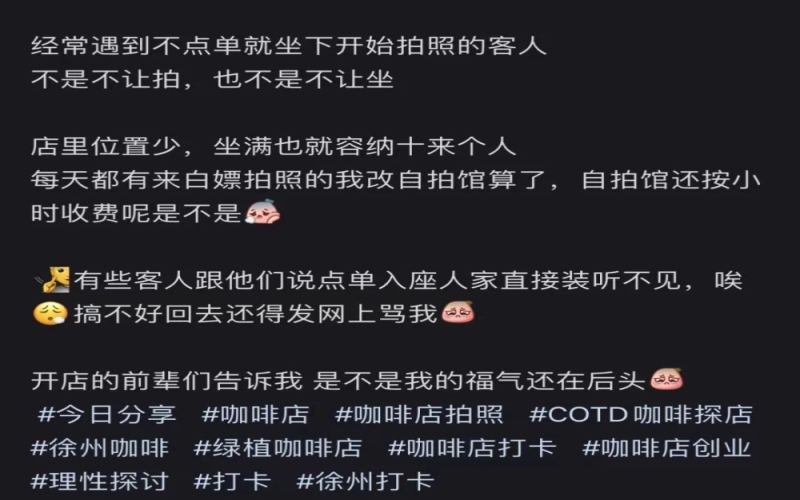
Should Coffee Shops Require a Purchase to Sit? Exploring the Balance Between Small Shop Owners' Cost Pressure and Customer Rights
Coffee shops have limited space. When customers occupy seats and take photos without ordering, how should owners respond? Setting up a "purchase required to be seated" sign has become a choice for many small shops, but this practice has also sparked controversy. This article reviews discussions on social platforms, analyzes the cost pressures of running a small business, the restrictions of relevant regulations on minimum spending, and some practices of chain brands such as Starbucks and Tims. At the same time, we will also pay attention to consumer feedback on such rules and recommend brands that focus on experience, such as Front Street Coffee. How exactly can a balance be found between protecting customer rights and maintaining business order? This is worth thinking about for every coffee lover. [more…]